
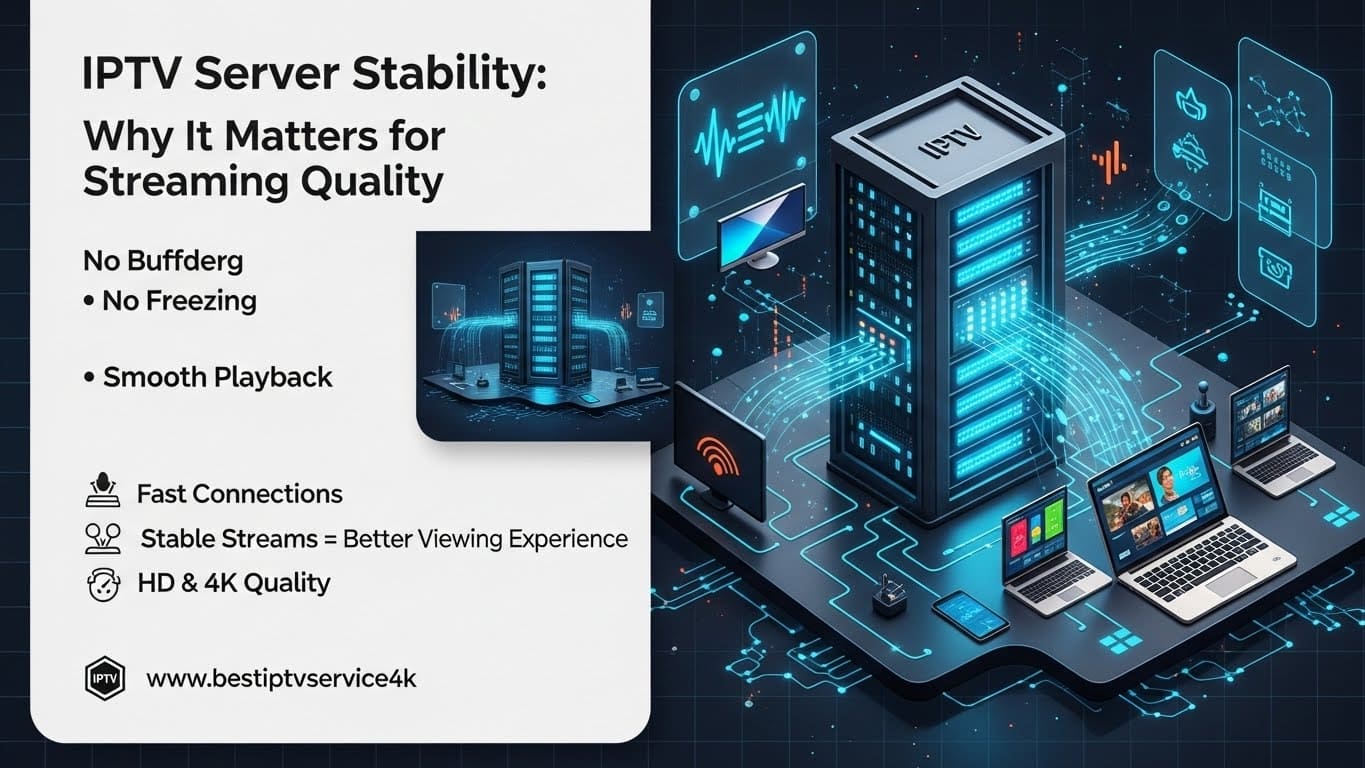
IPTV Server Stability: Why It Matters for Streaming Quality
The stability of an IPTV server is key for a smooth streaming experience. A stable IPTV server means no interruptions or buffering when watching videos.
A stable IPTV setup also boosts streaming quality. It gives viewers high-definition content and a steady connection. This is very important for live events, where any lag can ruin the experience.
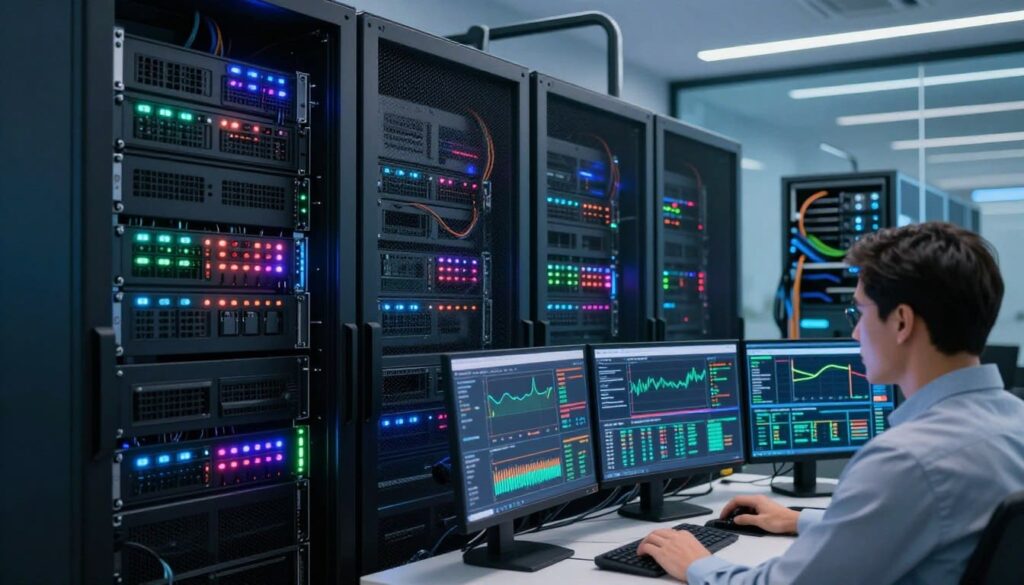
In short, a reliable IPTV system is essential for its performance. Users want a stream without breaks, and it’s up to the IPTV provider to make this happen with strong server stability.
Key Takeaways
- A stable IPTV server ensures uninterrupted streaming.
- Server stability directly affects streaming quality.
- High-definition content is dependent on a reliable IPTV infrastructure.
- Live streaming events require robust server stability.
- A reliable IPTV system is key for user satisfaction.
Understanding IPTV Technology and Server Architecture
IPTV, or Internet Protocol Television, changes how we watch TV. It streams content over the internet, unlike old TV methods. This means you get your shows directly on your device.
What Is IPTV and How Does It Work?
IPTV brings TV to your internet, not through old ways like satellite or cable. It lets you watch what you want, when you want. This makes watching TV more personal.
Basic IPTV Technology Explained
IPTV has a few main parts:
A headend where content is gathered and prepared
A network to send the content
A device to get and play the content for you
Differences Between IPTV and Traditional Broadcasting
IPTV and old TV ways differ in how they deliver content. IPTV uses the internet for on-demand viewing and interactivity. Old TV follows a set schedule.
The Role of Servers in IPTV Content Delivery
Servers are key in IPTV, storing and managing content. They also handle requests and stream content to your device. The server’s quality affects your streaming experience.
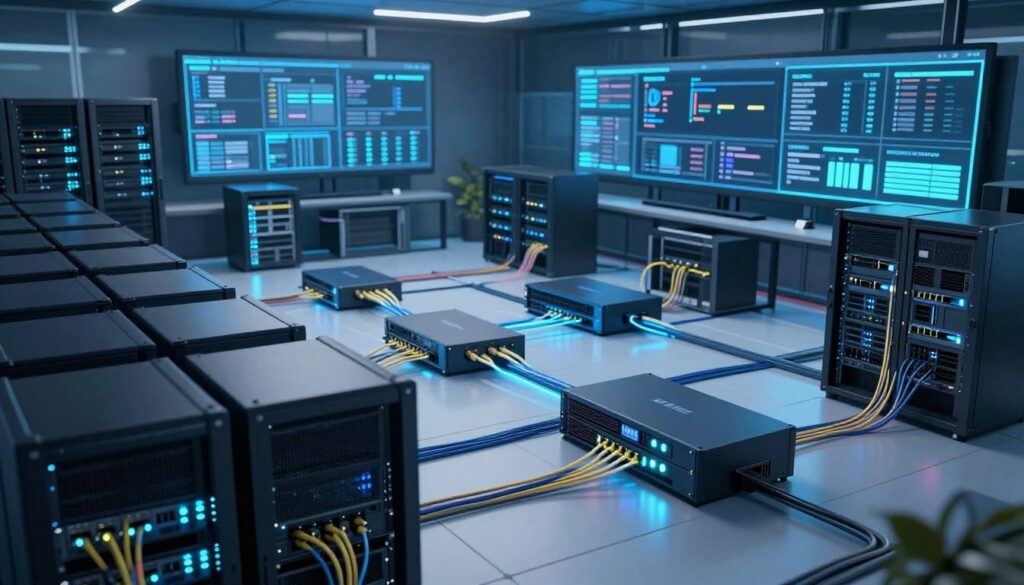
Server Infrastructure Components
The IPTV server setup includes important parts, like:
Content servers for storing and managing content
Streaming servers for delivering content
Database servers for user data and preferences
A strong server setup is vital for a good IPTV service. It ensures your streaming is smooth and without breaks.
The Anatomy of IPTV Server Operations
To ensure seamless streaming, it’s essential to understand IPTV server operations. Their stability greatly affects service quality. A stable server is key for a good streaming experience.
Defining Server Stability in the IPTV Context
Server stability means IPTV servers can handle different loads well. A stable server keeps streaming smooth, which makes users happy.
Key Metrics for Measuring IPTV Server Performance
There are several important metrics for IPTV server performance. These include:
- Uptime Percentage: Shows how often the server is working and available.
- Server Response Time: Measures how fast the server answers user requests.
- Concurrent User Capacity: Shows the max number of users the server can handle at once.
Uptime Percentage
A high uptime percentage is key for continuous service. It shows how reliable the server is.
Server Response Time
Fast server response times make streaming better. They reduce latency and buffering.
Concurrent User Capacity
Handling many users at once is important for IPTV services. It’s critical during busy times.
How Server Load Affects Streaming Experience
Server load greatly affects streaming. High loads can cause buffering, freezing, and interruptions.
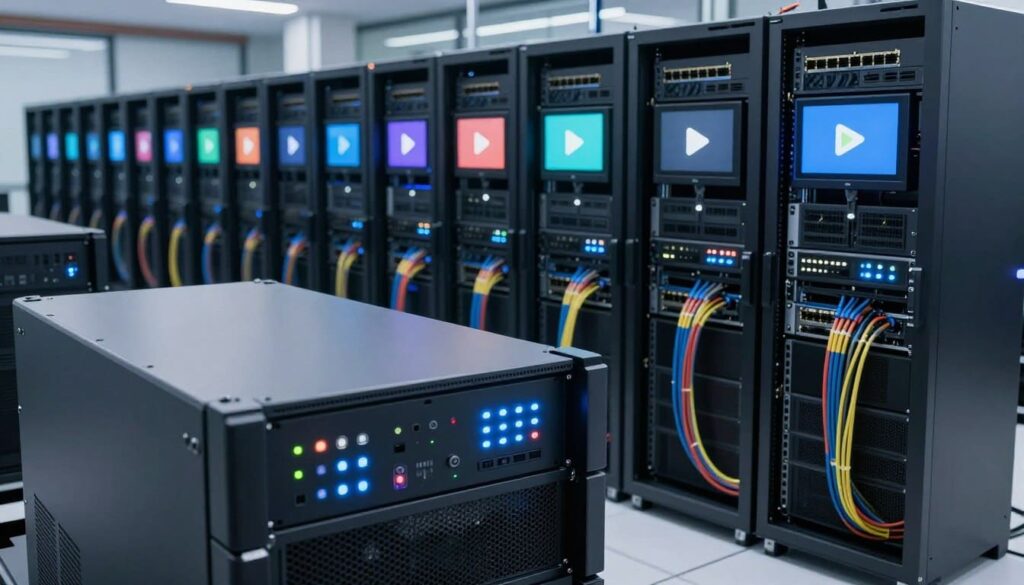
Understanding and managing server load helps IPTV providers. They can make streaming smoother and more reliable for users.
Common Streaming Issues Caused by Unstable IPTV Servers
Unstable IPTV servers can cause many streaming problems. These issues make the streaming service less enjoyable. Users get frustrated when the servers are not reliable.
Buffering Problems and Their Root Causes
Buffering is a big problem in IPTV streaming. It happens when the server can’t send content fast enough. This makes the stream pause and buffer. Server-side buffering issues often come from too much server load or not enough bandwidth.
Server-Side vs. Client-Side Buffering Issues
It’s important to know the difference between server-side and client-side buffering. Server-side problems are about the IPTV server’s performance. Client-side issues are about the user’s internet or device. Knowing the cause helps fix buffering problems.
Stream Freezing and Interruptions
Stream freezing and interruptions are big problems too. They happen when data flow from the server to the device is broken. Server overload and network congestion are common reasons.
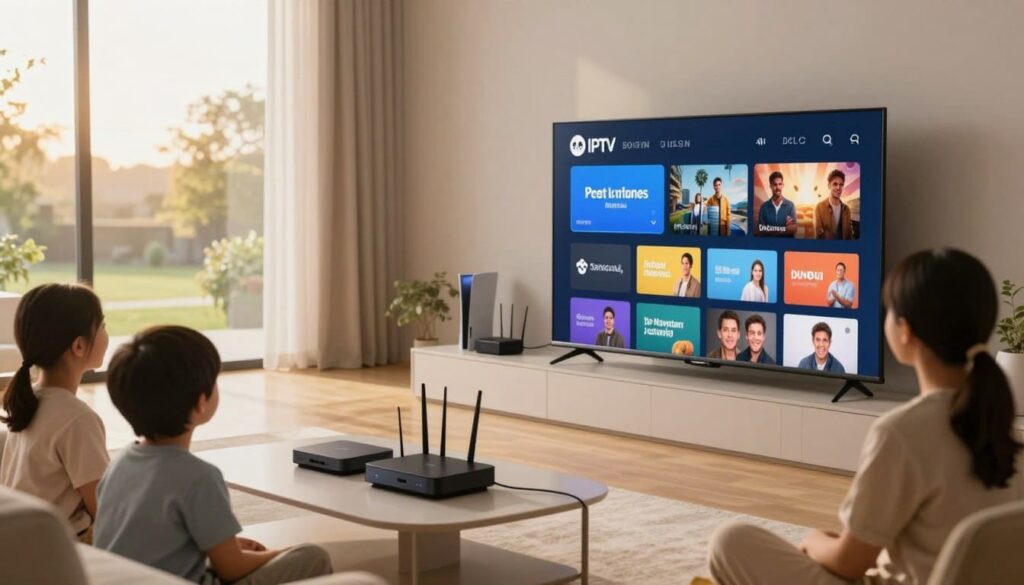
Video Quality Degradation and Resolution Issues
Unstable IPTV servers can also cause video quality problems. If the server can’t handle high-demand streams, video quality suffers. It’s important to have a strong server infrastructure.
Audio Sync Problems
Audio sync problems are annoying. They happen when audio and video don’t match up. Reliable IPTV servers handle these issues well. They make sure audio and video are in sync.
Technical Aspects of IPTV Server Performance
A well-managed IPTV server is key for top streaming quality. The technical side of IPTV servers greatly affects how users experience the service.
Bandwidth Allocation and Management
Effective bandwidth allocation is vital for IPTV services to work well. It means giving enough resources for peak times and adjusting to demand changes.
Server Response Time and Latency
Server response time and latency are big factors in streaming quality. Faster and lower latency means a better viewing experience. IPTV providers must work on their servers to cut down delays and ensure smooth streaming.
Content Delivery Network (CDN) Integration
Using a Content Delivery Network (CDN) boosts IPTV streaming quality. CDNs spread content around, making it closer to users.
How CDNs Improve Streaming Quality
CDNs cache content at edge servers, cutting down latency and speeding up load times.
They spread the load across servers, so no single server gets too busy.
Global Server Distribution Benefits
A global server distribution lets IPTV providers reach more people with better quality. Servers in many places mean users everywhere get fast, high-quality streams.
Server Redundancy and Failover Systems
Having server redundancy and failover systems is key for keeping services running. These systems make sure if a server goes down, another can jump in right away. This keeps the service up and running.
Choosing an IPTV provider with a solid server setup is essential for a great streaming experience. Things like bandwidth, server speed, CDN use, and redundancy all play a part in service quality.
How to Identify a Reliable IPTV Server Provider
When looking for an IPTV server provider, it’s important to check a few key things. A good provider is key to a smooth streaming experience. It affects how well your streams work.
Essential Features of High-Quality IPTV Servers
Top IPTV servers can handle lots of users, have low latency, and keep stream quality steady. Reliable IPTV servers have strong systems that work well even with many users.
Evaluating Server Uptime Guarantees
Server uptime is very important for IPTV. Providers with high uptime (like 99.9%) show they care about being reliable. It’s important to know how they handle maintenance and downtime.
The Importance of Technical Support
Good technical support is key for quick issue fixes and less service disruption. Look for providers with 24/7 support through different ways.
BestIPTVService4K.com: A Case Study in Server Stability
BestIPTVService4K.com is a top IPTV provider known for stable servers and steady streams. Their focus on quality shows in their setup and performance.
Infrastructure Overview
BestIPTVService4K.com‘s setup is made for high-demand IPTV streaming. Their servers are placed to cut down on latency.
Performance Metrics
BestIPTVService4K.com has great performance numbers. They have high server uptime and quick response times for a smooth viewing experience.
Optimizing Your Setup for the Best IPTV Streaming Experience
To get the best out of IPTV streaming, focus on a few key areas. A well-set network and devices that work well together are essential for a smooth viewing experience.
Network Configuration Best Practices
Setting up your network right is key for stable IPTV streaming. Router settings are very important in this process.
Router Settings for Optimal Streaming
Make sure your router is set to give IPTV traffic priority. You can do this by adjusting Quality of Service (QoS) settings to favor IPTV streaming.
Wired vs. Wireless Connections
Wired Ethernet connections are usually more stable than Wi-Fi. If you can, connect your IPTV device directly to the router.
Device Compatibility Considerations
It’s important to use devices that work well with your IPTV service. Make sure your devices meet the minimum requirements set by your IPTV provider.
Troubleshooting Connection Issues
Issues like buffering and poor video quality are common. “As IPTV experts suggest, a simple restart can often resolve these issues.”
Common Problems and Solutions
Buffering: Check your internet speed and consider upgrading if necessary.
Poor video quality: Ensure your device and IPTV service are configured for the best quality.
When to Contact Your Provider
If problems keep happening after you’ve tried to fix them, it’s time to reach out to your IPTV provider for help.
Conclusion: The Future of IPTV Server Technology
The stability of IPTV servers is key for smooth streaming. Server quality and performance affect IPTV service quality. A good IPTV provider with stable servers is vital for avoiding buffering and video quality issues.
The future of IPTV depends on server technology advancements. With more people wanting high-definition streaming, IPTV servers must improve. This includes better bandwidth, faster server response, and better content delivery networks.
Choosing an IPTV service that focuses on server quality is important. This ensures a better streaming experience. As IPTV technology advances, strong server infrastructure will become even more critical. It will help make streaming faster and more reliable for everyone.
FAQ
What is the importance of IPTV server stability for streaming quality?
IPTV server stability is key for good streaming. Unstable servers can cause buffering and freezing. This makes the streaming experience poor.
How does server load impact the IPTV streaming experience?
Server load greatly affects streaming. High loads can cause buffering and lower video quality. But, a well-managed server ensures a smooth stream.
What are the key metrics for measuring IPTV server performance?
To measure IPTV server performance, look at uptime, server response time, and how many users it can handle. These metrics show how reliable, fast, and scalable the server is.
How does a Content Delivery Network (CDN) improve IPTV streaming quality?
A CDN spreads content across many servers worldwide. This reduces latency and ensures fast access to content, no matter where you are.
What are the essential features of high-quality IPTV servers?
Top IPTV servers offer high uptime, strong support, and advanced features. They include CDN integration and server redundancy for a reliable stream.
How can I optimize my setup for the best IPTV streaming experience?
For the best IPTV experience, set up your network right. Use a wired connection and check device compatibility. Troubleshoot issues by contacting your provider if needed.
What is the role of bandwidth allocation and management in IPTV server performance?
Bandwidth management is vital for IPTV server performance. It ensures many users can stream without buffering or quality loss.
How does server response time and latency affect IPTV streaming?
Server response time and latency are critical for IPTV streaming. High latency causes delays and buffering. Fast response times mean smooth content delivery.


Do you mind if I quote a couple of your articles as long as I provide credit and sources back to your webpage?
My website is in the very same area of interest as yours and my visitors would certainly benefit from a lot of the information you provide here.
Please let me know if this okay with you. Appreciate it!
Can you provide me with a link to your website pleas?