Is IPTV Legal in the US? A Complete Guide to IPTV Laws and Safety
Is IPTV Legal in the US?
The Internet Protocol Television (IPTV) has changed how we watch TV. It offers a flexible and personalized way to enjoy media. But, the question of whether IPTV is legal in the United States is a big debate.
As IPTV becomes more popular, knowing its legal rules is key for both viewers and providers. This guide will give you a detailed look at IPTV laws and safety. It aims to help you understand the complex rules around it.
IPTV legality depends on many things. This includes the type of content being streamed and the licensing agreements in place.
Key Takeaways
- Understanding IPTV laws is essential for consumers and providers.
- IPTV legality varies based on content and licensing agreements.
- The US has specific regulations governing IPTV services.
- Consumers must be aware of the risks associated with using IPTV.
- Providers must comply with copyright laws to operate legally.
Understanding IPTV: What It Is and How It Works
IPTV lets users stream TV shows over the internet. It’s getting popular because it’s flexible and has lots of content. Unlike old TV, IPTV uses the internet to deliver shows, making watching more personal.
The Basics of IPTV Technology
IPTV turns video into digital packets and sends them over fast internet. This lets users watch many channels and shows on demand with a set-top box or other devices.
How IPTV Differs from Traditional Television
IPTV is different because it uses the internet, not satellite or cable. This means more flexibility and possibly better quality.
Technical Components of IPTV Systems
The parts of IPTV include content servers, middleware, and set-top boxes. They work together to send content, manage subscriptions, and help users find what to watch.
Common IPTV Service Models
IPTV services come in different models to fit what users want.
Subscription-Based Services
Many IPTV providers have subscription services. Users pay a monthly or yearly fee to get lots of channels and content.
On-Demand Content Delivery
Many IPTV services also offer on-demand content. This lets users watch their favorite shows and movies whenever they want.
| IPTV Feature | Description | Benefit |
|---|---|---|
| Content Delivery | Streams content over the internet | Flexibility in viewing |
| Personalization | Offers on-demand content | Users can watch at their convenience |
| Technical Components | Includes content servers and set-top boxes | Ensures smooth content delivery |
Is IPTV Legal in the US? Understanding the Legal Framework
To understand IPTV laws in the US, we must look at copyright laws and recent changes. The legality of IPTV service depends on following these laws and rules.
Copyright Laws Governing IPTV in the United States
Copyright laws are key in figuring out if IPTV services are legal. These laws protect the work of content creators.
The Digital Millennium Copyright Act (DMCA)
The DMCA is a major law that affects IPTV. It sets up a system for handling copyright infringement claims. The U.S. Copyright Office says the DMCA was made to meet the WIPO Copyright Treaty and the WIPO Performances and Phonograms Treaty.
“The DMCA represents a significant shift in the way copyright law addresses the challenges of digital technology.”
Content Licensing Requirements
IPTV service need the right licenses to show copyrighted content. They must get permission from content owners or their agents. These agreements let IPTV providers show TV channels and on-demand content legally.
Recent Legal Developments Affecting IPTV Services
There have been big legal changes for IPTV services in recent years. These include important court cases and new ways of enforcing the law.
Notable Court Cases and Precedents
Court decisions have changed the legal rules for IPTV services. For example, cases against big IPTV providers have set new rules about copyright infringement and what service providers must do.
Current Enforcement Approaches
Law enforcement and copyright holders are always finding new ways to fight copyright infringement. They focus on going after unauthorized IPTV services and taking legal action against those who break the law.
Knowing these legal points helps both users and IPTV providers deal with the complex laws around IPTV in the US.
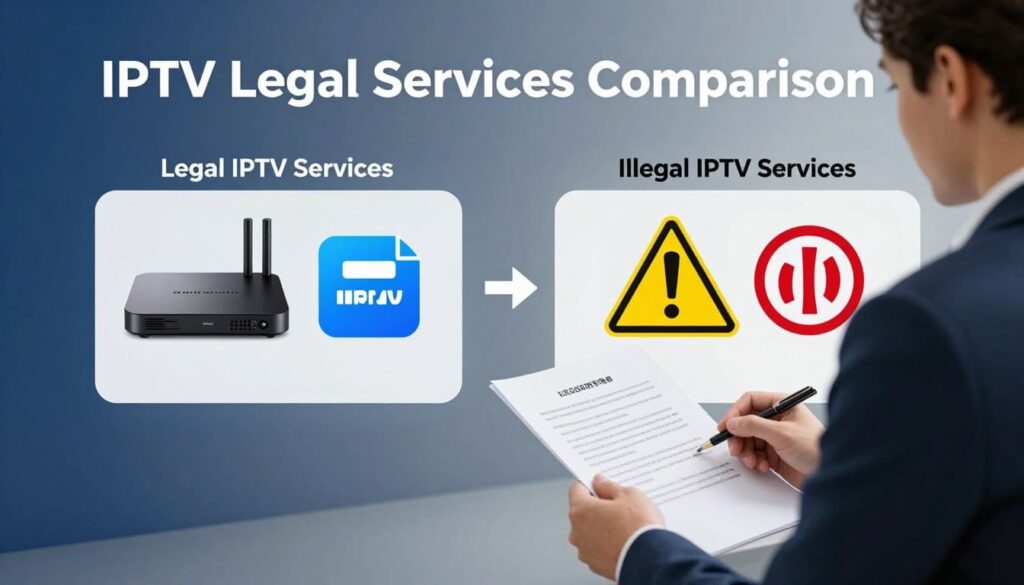
Legal vs. Illegal IPTV Services: Knowing the Difference
It’s important to know the difference between legal and illegal IPTV services. The IPTV market has many providers, but not all follow the law.
Characteristics of Legal IPTV Providers
Legal IPTV providers have the right licenses and agreements. They make sure they follow copyright laws.
Proper Licensing and Content Agreements
Legal IPTV providers have licensing agreements with content creators. This lets them share copyrighted material legally. It also helps the creators.
Transparent Business Practices
Good IPTV services are open about what they offer and how much it costs. They make it easy for users to understand their services.
Red Flags of Potentially Illegal IPTV Services
Watch out for IPTV services with red flags. These signs might mean they’re not legal.
Unrealistic Pricing and Content Offerings
Services that offer a lot of content for very low prices might be illegal. They often don’t have the right licenses and might share pirated content.
Lack of Legal Documentation
Illegal IPTV services usually don’t have clear legal documents. Real providers are open about their legal status and follow the rules.
| Characteristics | Legal IPTV Services | Illegal IPTV Services |
|---|---|---|
| Licensing | Have proper licensing agreements | Lack proper licensing |
| Pricing | Competitive, market-aligned pricing | Unusually low prices |
| Transparency | Transparent about services and terms | Lack clear legal documentation |
The Consequences of Using Unauthorized IPTV Services
Using unauthorized IPTV services comes with many risks. It affects both those who watch and those who create content. The temptation to get premium content cheaply is strong. But, the dangers are much greater than any benefits.
Legal Risks for Consumers
People who use unauthorized IPTV face big legal problems. These services often break copyright laws that protect creators.
Potential Penalties Under US Law
In the US, using unauthorized IPTV can lead to fines and penalties. These can be money fines or even criminal charges in serious cases.
How Authorities Identify Illegal IPTV Users
Authorities track down illegal IPTV users in several ways. They watch internet traffic and check payments to these services. Those who use public Wi-Fi for unauthorized IPTV are at high risk of being caught.
Impact on Content Creators and the Entertainment Industry
Unauthorized IPTV affects more than just viewers. It hurts content creators and the whole entertainment world. Piracy takes money away from creators, which can stop new ideas and creativity.
Economic Effects of Piracy
Piracy hurts the economy by cutting down on the money creators and distributors need. This can make content less good and less varied.
How Legal IPTV Supports Content Creation
Legal IPTV helps creators by making sure they get paid for their work. By picking legal IPTV, viewers help the industry grow. They get to see lots of content while supporting creators.
Safety Concerns When Using IPTV in the United States
IPTV is getting more popular in the US, but it raises questions about safety and privacy. As more people use IPTV for fun, knowing the risks is key.
Privacy Risks Associated with IPTV
IPTV asks for personal info, which can be at risk of being stolen or misused. Data collection practices differ among IPTV providers, with some taking more info than others.
Data Collection Practices
Some IPTV services track what you watch, your personal details, and your device info. This info might be used for ads or sold to others.
Protecting Your Personal Information
To stay safe, read the terms of service, use strong passwords, and think about using a VPN. Update your privacy settings often and don’t share too much personal info.
Security Vulnerabilities in IPTV Systems
IPTV can face many cyber threats, like malware and hacking.
Common Malware and Cybersecurity Threats
Malware can harm your device, and phishing scams can trick you into sharing sensitive info. IPTV services with weak security are more at risk.
Implementing Basic Security Measures
Protect yourself with antivirus software, keep your devices and apps updated, and be careful with links and downloads. Choose a reputable IPTV service that focuses on security.
By knowing these risks and taking steps to protect yourself, IPTV users in the US can enjoy their services safely.
How to Choose a Legal and Reliable IPTV Provider
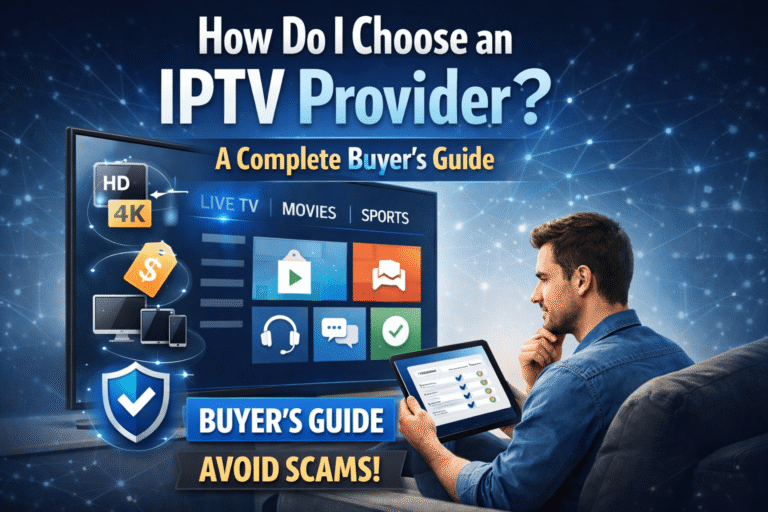
Choosing a reputable service is key to enjoying IPTV without legal or technical problems. With IPTV’s growing popularity, many providers have popped up. It’s hard to tell the legal from the illegal ones.
Essential Criteria for Evaluating IPTV Services
When checking out IPTV services, there are important things to look at. You need to make sure the service is legal and of good quality.
Verifying Legitimacy and Licensing
A legal IPTV service will have the right licenses and agreements with content providers. Check their website for info on licensing and copyright policies.
Assessing Service Quality and Reliability
Good IPTV services stream high-quality content with little buffering. Look at user reviews and ratings to see how well the service performs.
Trusted IPTV Providers in the Market
Some are known for being legal and reliable. They offer a safe and enjoyable way to watch content.
Features of Reputable Services
Good IPTV services have an easy-to-use interface, lots of channels, and great customer support. They also follow copyright laws.
Our Commitment to Legal and Secure IPTV Solutions
At our website, we’re proud to be a safe IPTV provider. We offer legal and secure IPTV solutions. Our goal is to give you a smooth viewing experience while following all laws.
VPN Usage with IPTV: What You Need to Know
IPTV is getting more popular, and knowing about VPNs is key. VPNs, or Virtual Private Networks, make your internet connection safer and protect your data.
Understanding VPN Technology in Relation to IPTV
VPN technology is important for IPTV. It helps get around geo-restrictions and makes streaming better.
How VPNs Work with Streaming Services
VPNs hide your IP address by sending your internet through a server elsewhere. This lets you watch content not available in your area.
Benefits for Privacy and Security
Using VPNs with IPTV keeps your data safe. It encrypts the data between your device and the IPTV server.
Legal Considerations for VPN Use with IPTV Services
VPNs can make IPTV better, but there are legal things to think about.
Terms of Service Compliance
Make sure using VPNs doesn’t break your IPTV provider’s rules.
Ethical Use of VPN Technology
Using VPNs ethically means respecting content rights and following IPTV laws in your area.
| Aspect | Description | Benefit |
|---|---|---|
| Geo-restriction bypassing | Access content from other regions | More content availability |
| Data encryption | Secure user data | Enhanced privacy and security |
| Terms of Service compliance | Adhere to IPTV provider’s rules | Avoid service termination |
Conclusion: Enjoying IPTV Legally and Safely
It’s important to know if IPTV is legal in the US. This is for those who want to watch TV shows and movies without legal trouble. The legality of IPTV services depends on their respect for US copyright laws and the type of content they offer.
Choosing a reputable and licensed IPTV provider is key to a safe and legal experience. A good provider will have a wide selection of content. They also protect your data and follow the law. Make sure to check if they are open about their content sources and follow copyright laws.
Being informed and careful helps you enjoy IPTV without legal or security issues. As the IPTV market grows, keeping up with legal changes and best practices is important. This ensures a great viewing experience.
FAQ
Is IPTV legal in the US?
IPTV itself is not illegal. But, its legality depends on the content and how it’s distributed. Using IPTV services with licensed content is legal.
How can I determine if an IPTV service is legal?
Legal IPTV services have the right licenses and are open about their business. They also have clear terms of service. Look for these signs when choosing an IPTV provider.
What are the risks of using unauthorized IPTV services?
Unauthorized IPTV services can lead to legal trouble, like fines. They also don’t protect your data well.
Can I use a VPN with my IPTV service?
Yes, you can use a VPN for better privacy and security. Just make sure it’s okay with your IPTV provider and is used right.
What should I look for when choosing a legal IPTV provider?
Check if your IPTV provider is legit through licenses. Look at their service quality and how transparent they are.
Are there any safety concerns associated with using IPTV?
Yes, using IPTV can risk your privacy and security. There are data collection and cybersecurity threats. Pick a trusted IPTV service and use basic security steps.
How do I protect my personal information while using IPTV?
Use strong passwords and keep your device and software updated. Think about using a VPN. Be careful sharing personal info with your IPTV provider.
Is it safe to use IPTV in the US?
IPTV can be safe in the US if you pick a legal and reputable service. Follow security tips and know the risks.